


Drawing Young People Out of Social Isolation in South Korea
Why vast numbers of young Koreans are experiencing extreme social withdrawal, and how to help them re-engage with society.
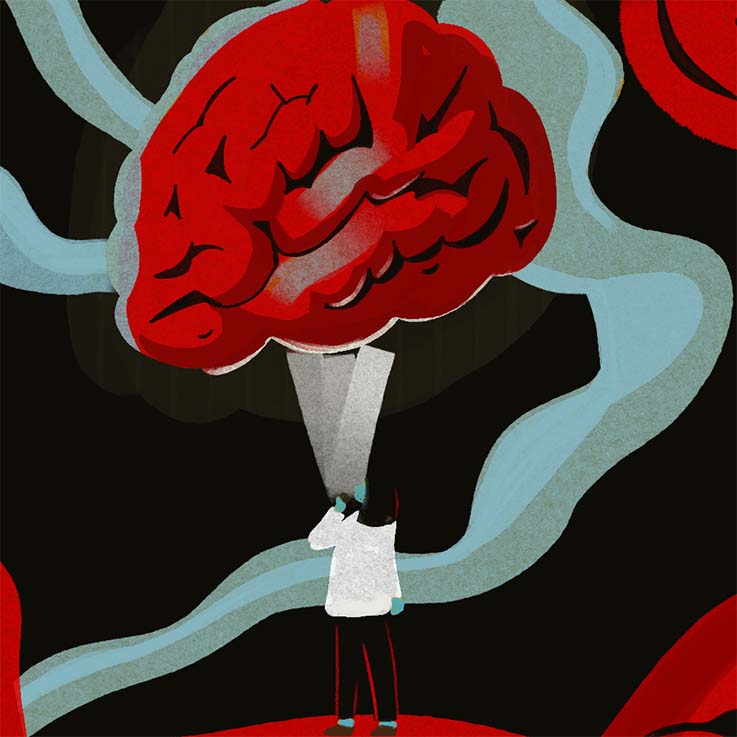
Why vast numbers of young Koreans are experiencing extreme social withdrawal, and how to help them re-engage with society.
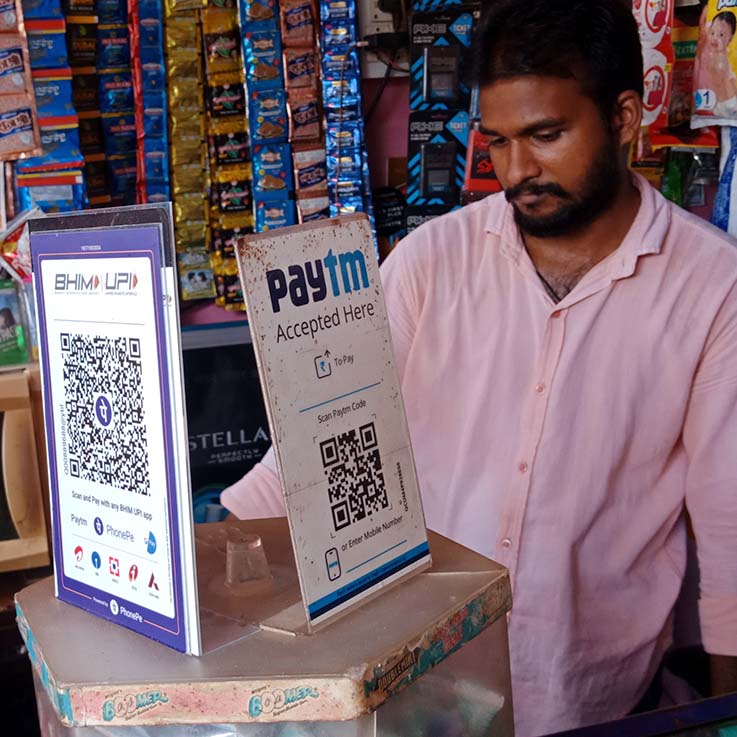
The “India Stack” provides a model for how developing economies can empower informal business and drive inclusive growth.
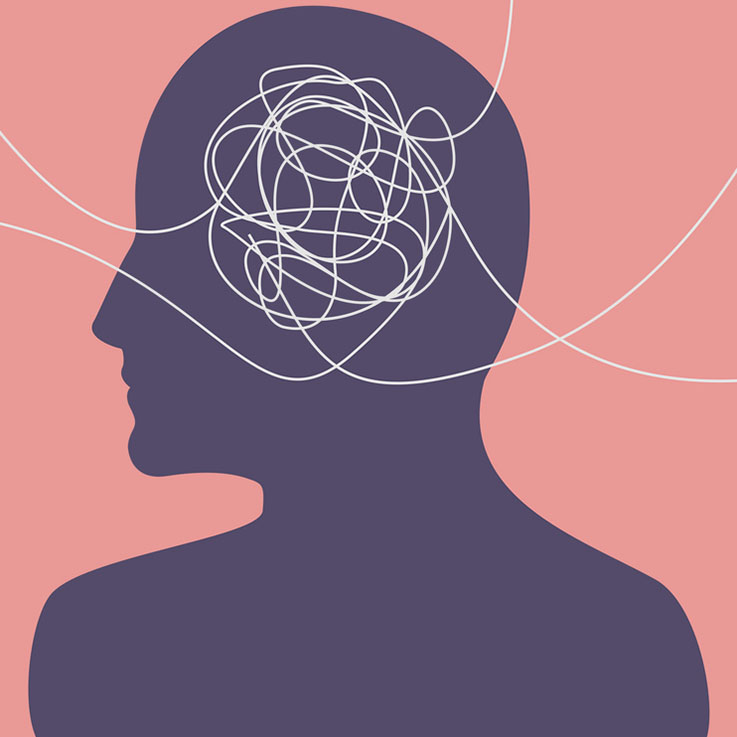
There are exciting possibilities, but we are also facing a deafening cacophony of scientific communication, and much of it will not be positive.

Measuring how long impact lasts can be difficult, but nonprofits and donors should make the effort.

Colonialism has contributed to enduring power imbalances between Okinawa and mainland Japan, but there is a path forward through policy change.
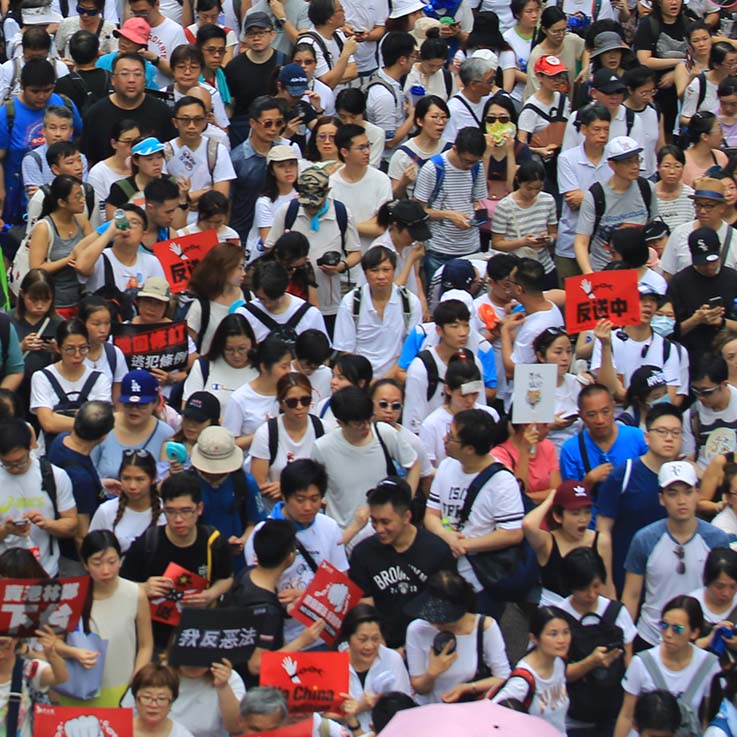
In an “ecosystem” approach, different theories of change reinforce and strengthen each other.

As the world of work is reshaped by AI, there are opportunities within the critical, fast-growing care sector to enable and support a workforce facing acute shortages.
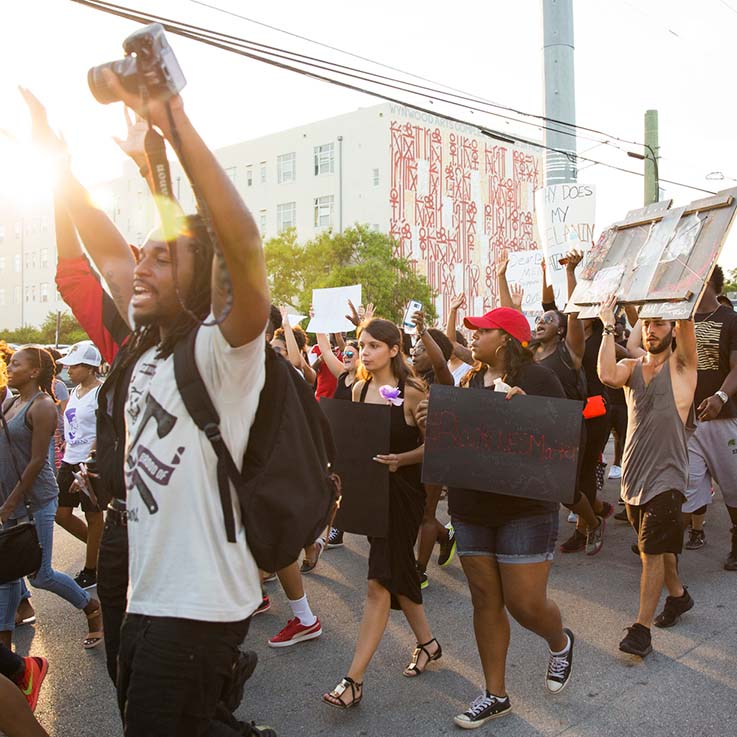
After myriad funder press releases and pledges, both racial equity and racial justice grantmaking dropped significantly between 2018 and 2021.

Is it possible for modern capital fundraising to be grounded in socially just principles?